

NEWS
Focus on logistics for large international engineering projects
With the deepening of globalization, international freight has become an important link connecting economies around the world
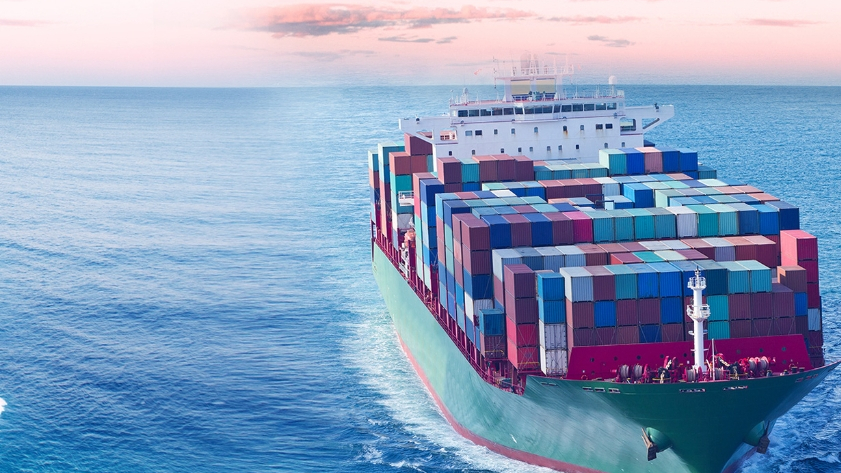
In today's increasingly globalized world, international freight has undoubtedly become an important link connecting economies around the world. Whether it is busy ports, busy airports, or criss crossing highways and railways, international freight plays a crucial role in them. It is like invisible threads that tightly connect manufacturers, distributors, and consumers from all over the world, weaving together a complex economic network.
The diversity of international freight is its charm. From sea freight, air freight to land freight, each mode of transportation has its unique advantages and applicable scenarios. Sea freight has become the main mode of international trade for bulk commodities due to its large capacity and low cost; Air transportation, with its advantages of fast speed and strong flexibility, occupies a place in the transportation of emergency supplies and high-end products; Land transportation, on the other hand, has become an important bridge connecting inland and coastal areas due to its wide network coverage and stable transportation.
However, international freight transportation is not always smooth sailing. Cultural differences, policies and regulations, infrastructure, and other factors between different countries can all have an impact on international freight transportation. This requires freight industry practitioners not only to have solid professional knowledge, but also to possess keen insight and adaptability. They need to constantly monitor changes in the international market and adjust their transportation strategies in a timely manner to ensure the safe and efficient transportation of goods.
With the advancement of technology, international freight is also constantly innovating and transforming. The application of advanced technologies such as the Internet of Things, big data, and artificial intelligence has made the freight process more intelligent and transparent. By monitoring the location, status, and other information of goods in real-time, freight companies can better grasp the transportation situation and respond to various emergencies in a timely manner. Meanwhile, these technologies have also improved the efficiency and accuracy of freight transportation, reducing operating costs.
Environmental protection and sustainable development are also topics that cannot be ignored in the field of international logistics and freight transportation. With the increasingly serious issue of global climate change, the international freight industry is also facing enormous challenges. How to reduce the impact on the environment while ensuring transportation efficiency has become a question that freight industry practitioners need to consider. More and more freight companies are adopting clean energy vehicles and optimizing transportation routes to reduce carbon emissions and energy consumption.
In addition, international freight is also driving the development of the global economy. Through international freight, resources and products from various countries can flow and exchange globally, promoting the prosperity and development of international trade. This not only brings economic benefits to countries, but also promotes technological innovation and industrial upgrading. At the same time, international freight has strengthened economic connections and cooperation among countries, providing strong support for building an open world economy.
However, international freight also faces some challenges and risks. Factors such as political turmoil, natural disasters, and trade barriers may all have an impact on international freight transportation. Therefore, freight industry practitioners need to remain vigilant at all times, strengthen risk management, and ensure the safe and stable transportation of goods.